Drew Breunig
20 stories
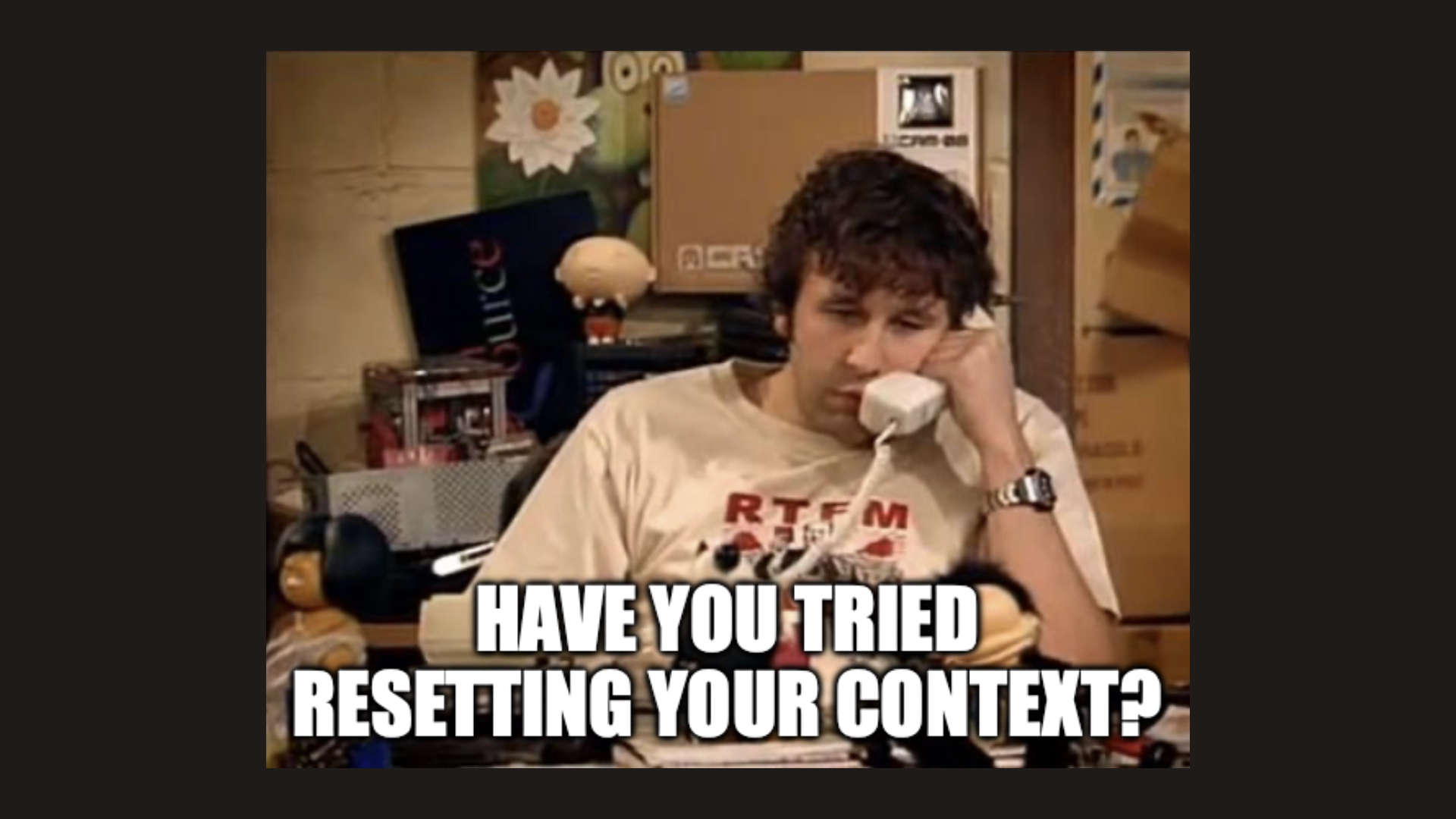
Drew BreunigVoicesThe State of Context Engineering As models improve, they bring surprising challenges for those building apps and harnesses. How context engineering has changed this year, and where it's headed.

Drew BreunigVoicesContext Inertia: When Agents Won’t Let Go Context Inertia is when an agent keeps chasing a goal after the evidence says it should stop. Persistent, long-running models make it worse. Compaction won't fix it.

Drew BreunigVoicesWhat We Can Learn from Claude’s Fable 5.1 System Prompt Looking at how system prompts change reveals that models and products are a moving target that prompts must accommodate and govern.
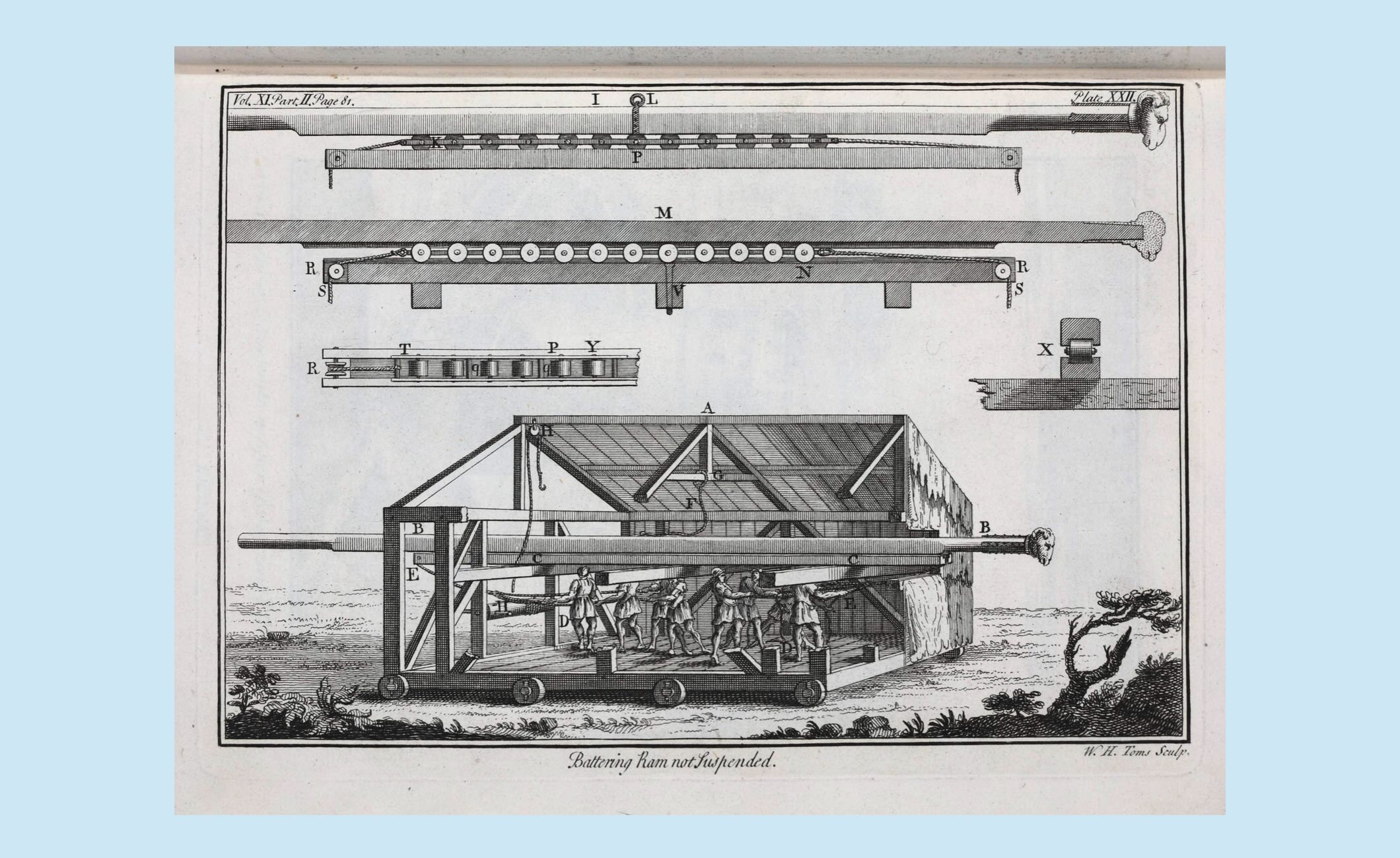
Drew BreunigVoicesWho Taught the Models to Do That? The Hugging Face attack is surprising, but the capabilities behind it were deliberately cultivated.
Drew Breunig
Drew BreunigVoicesFable & The End of the Free Lunch Fable's price ended the free lunch of ever-cheaper frontier models. Now we have to think about which model gets which work.
Drew Breunig
Drew BreunigVoicesHarnesses are Situated Agents Harnesses manage the systems around agents, from the session, to the company, to the domain.
Drew Breunig
Drew BreunigVoicesManage Your Agent’s Loadout with Dr. Skill Keep your context clean by keeping your agent's skills and tools in check.
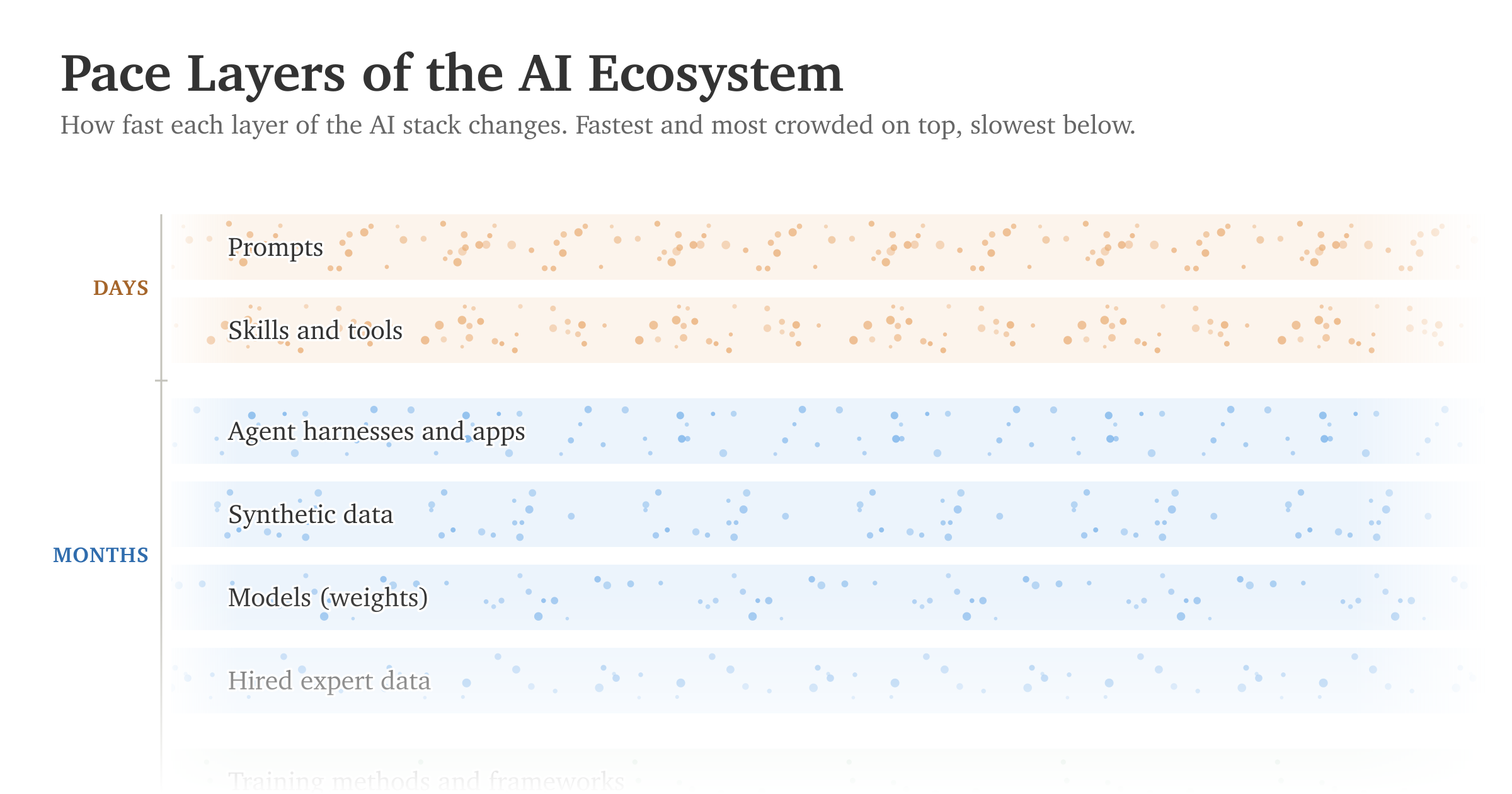
Drew BreunigVoicesUnderstanding the Dynamics of the AI Ecosystem with Pace Layers Stewart Brand's Pace Layers framework reveals why AI's speed is straining the slower systems it depends on for support.

Drew BreunigVoicesThe Problem is Prompt Debt The plain-English prompt that makes prototypes effortless is a poor way to specify a system, and the bill arrives slowly, disguised as progress.

Drew BreunigVoicesWhat Do Humans Need From Docs? When an agent can explain anything, should we keep writing docs for humans?
Drew Breunig
Drew BreunigVoicesThe Cost of Overfitting the Harness As labs train their own harness behavior into models and drop fine-tuning, frontier models start to look like appliances, not platforms.
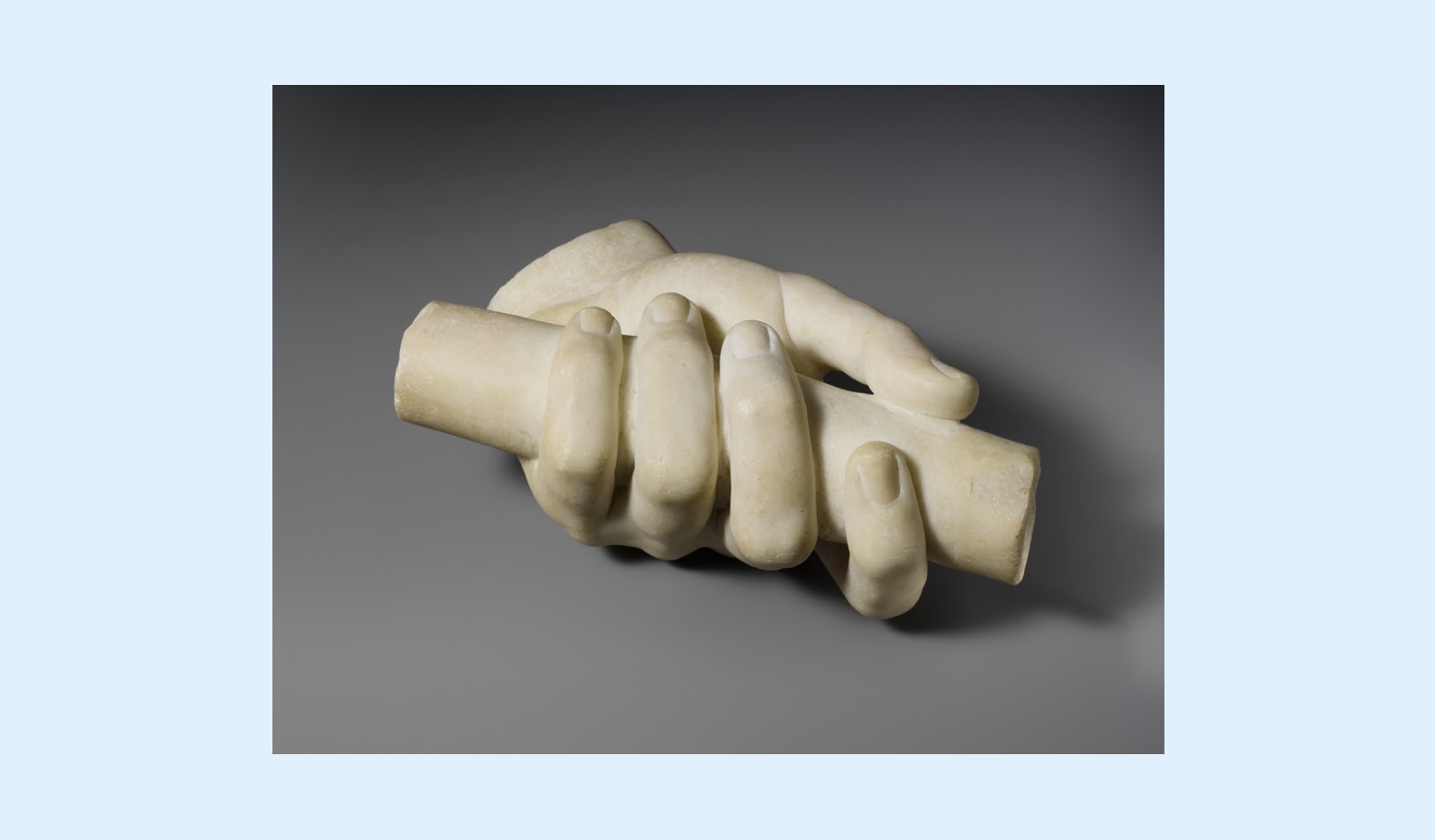
Drew BreunigVoices10 Lessons for Agentic Coding Ten lessons for coding with agents, from implementing to learn to remembering that code is cheap but maintenance and security aren't.
Drew BreunigVoicesCybersecurity Looks Like Proof of Work Now AISI's tests of Mythos suggest a new security economy: to harden a system you must spend more tokens finding exploits than attackers do.
Drew Breunig
Drew BreunigVoicesHow Claude Code Builds a System Prompt Claude Code's leaked source shows a system prompt assembled from dozens of conditional parts.
Drew Breunig
Drew BreunigVoicesThe 2nd Phase of Agentic Development The first wave of agentic coding gave us clones and ports. The next wave attacks old problems with new designs, hardened by synthetic tests.

Drew BreunigVoicesThe Cathedral, the Bazaar, and the Winchester Mystery House The internet made coordination cheap and gave us the Bazaar. Coding agents make code cheap and are giving us sprawling, idiosyncratic software.
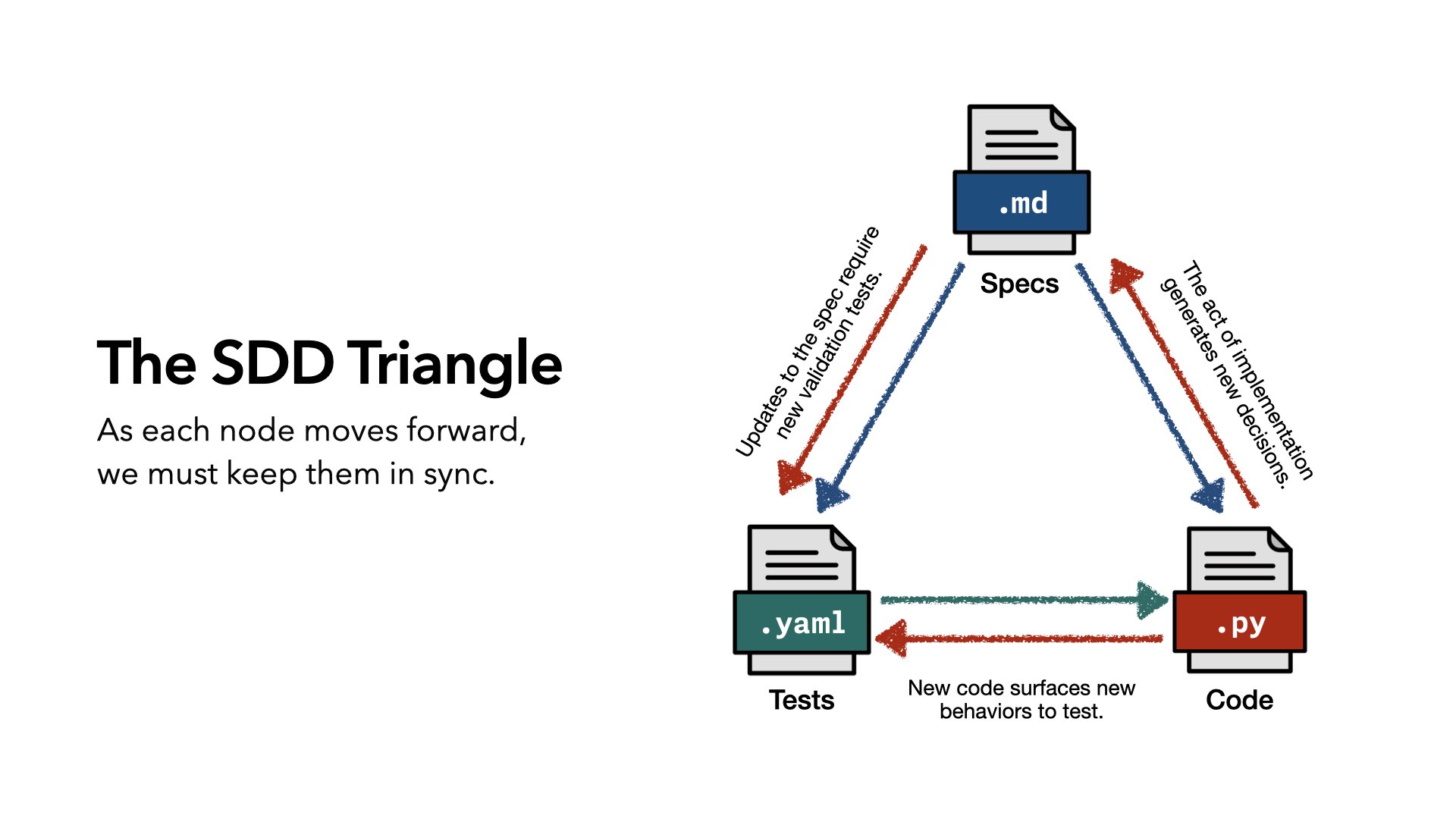
Drew BreunigVoicesLearnings from a No-Code Library: Keeping the Spec Driven Development Triangle in Sync What shipping a library with no code taught me: spec-driven development is a feedback loop between specs, tests, and code, not a straight line.
Drew Breunig
Drew BreunigVoicesWe’re Talking About Terms of Use, But the Issue is Embedded Judgment The Anthropic and Pentagon fight is framed around usage terms, but AI is unlike other purchases because every model carries embedded judgment.
Drew Breunig
Drew BreunigVoicesTwo Beliefs About Coding Agents Talented developers underestimate the intuition they bring to their prompts, and coding agents amplify existing skills rather than replace them.
Drew Breunig
Drew BreunigVoicesWhy is Claude an Electron App? If coding agents make native ports cheap, why does Anthropic still ship Claude as an Electron app? Because code is cheap but maintenance isn't.
Nothing matches this filter yet.