InfoQ AI
15 stories

InfoQ AIGitHubTornadoVM 7 Enables GPU-Native Workloads From Java Applications TornadoVM, an open-source heterogeneous programming framework for Java has reached version 7.0. It automatically accelerates Java programs on multi-core CPUs and GPUs and provides a rich GPU…
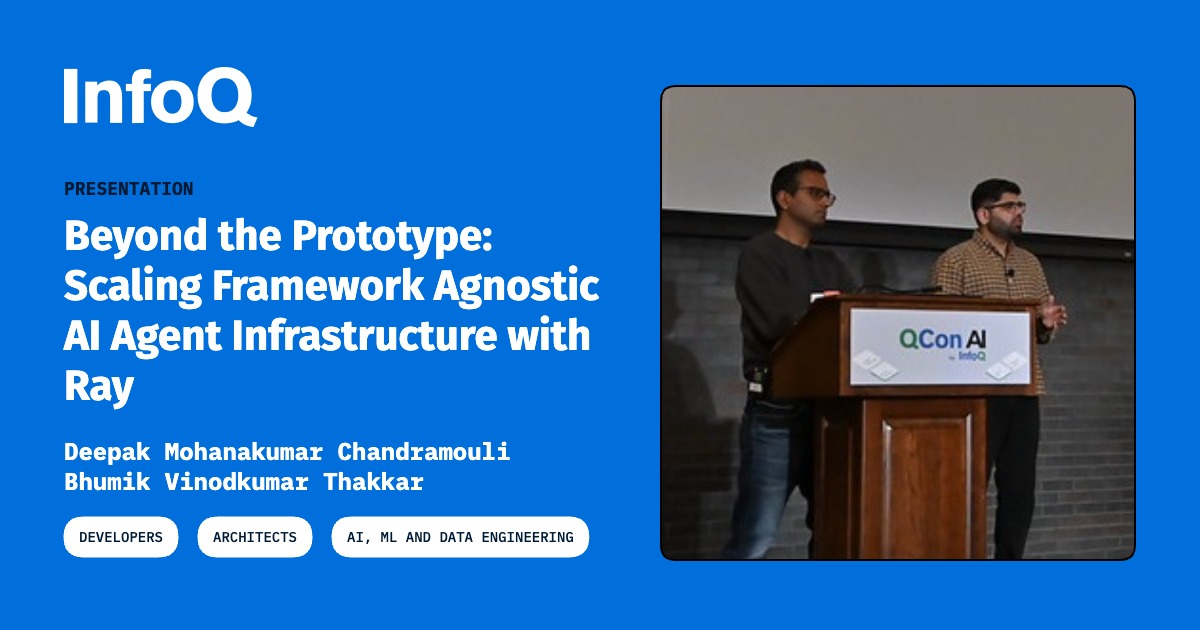
InfoQ AIGitHubPresentation: Beyond the Prototype: Scaling Framework Agnostic AI Agent Infrastructure with Ray The speakers discuss transitioning AI agents from local FastAPI prototypes to resilient production systems on Kubernetes using Ray.
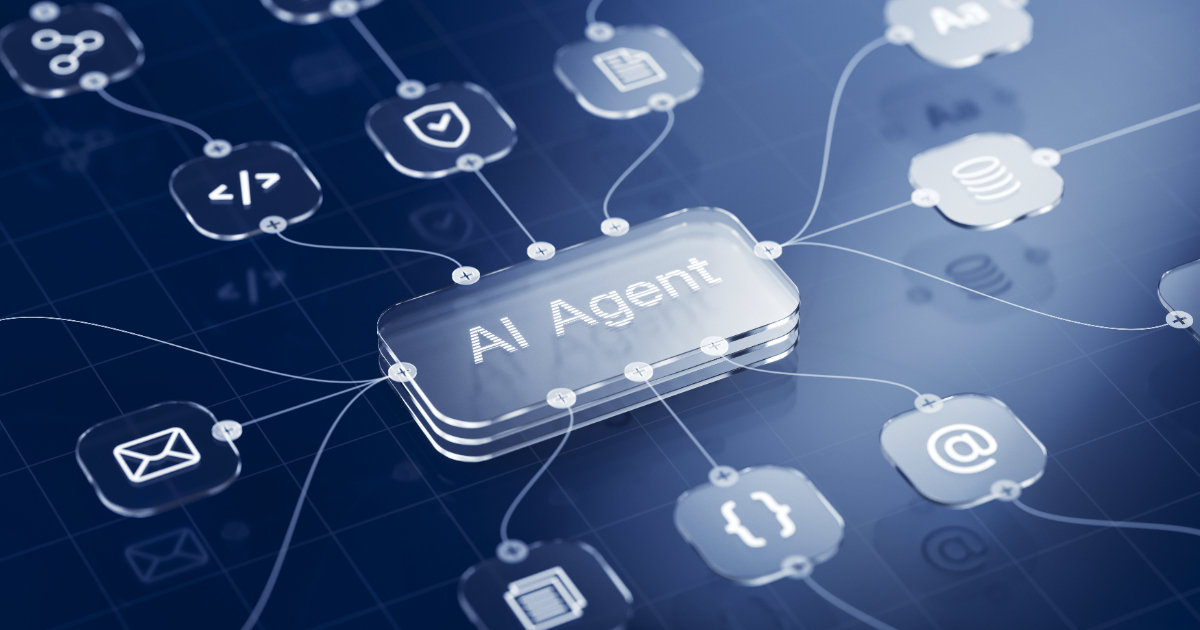
InfoQ AIGitHubArticle: From Microservices to Agents: the Next Evolution of Distributed Systems InfoQ Homepage Articles From Microservices to Agents: The Next Evolution of Distributed Systems
InfoQ AIGitHubPodcast: The Future of Web Apps: Will AI Agents Generate UIs on the Fly? Rachel Lee Nabors, former React core team member, dives into the architecture and philosophy behind local-first applications, exploring how small language models (SLMs) running directly on-device can…
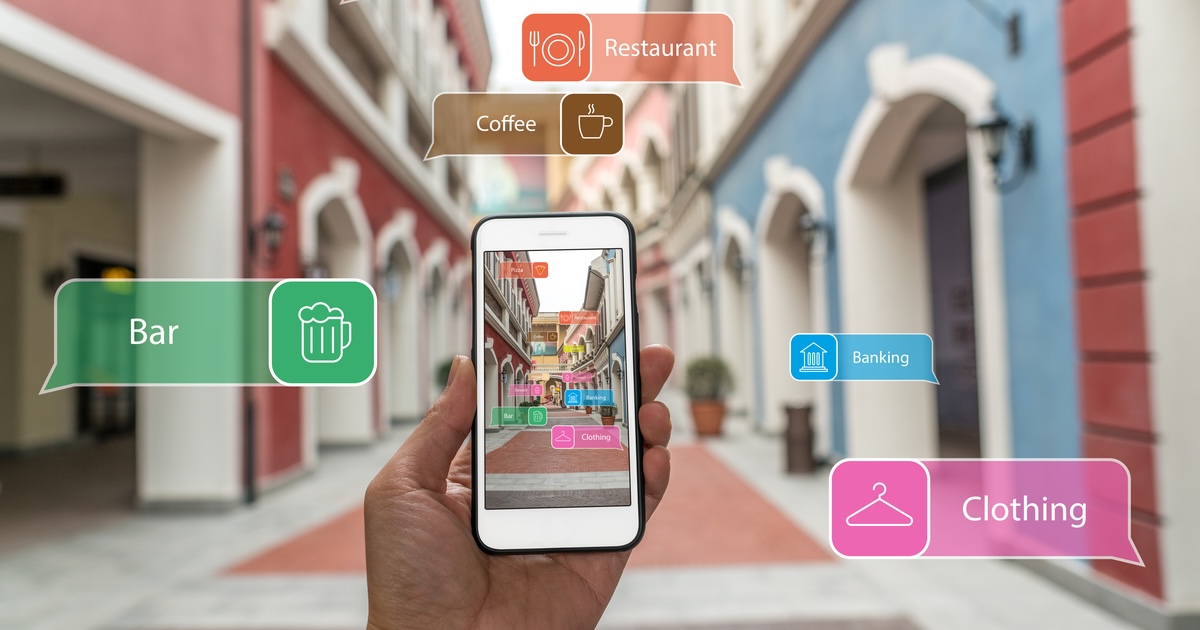
InfoQ AIGitHubEmbeddingGemma 2 Expands beyond Text to Support Code, Images, Video, and Audio Based on Gemma 4 and released under the Apache 2.0 license, Google's EmbeddingGemma 2 is a compact, open-weight, multimodal embedding model designed to make semantic search and retrieval-augmented…

InfoQ AIGitHubReverse Engineer Anything Project Brings AI Agents to Binary Analysis Reverse Engineer Anything (REA) is an open-source project with over 200K GitHub stars that connects coding agents such as Claude Code and Codex to reverse-engineering tools like Ghidra, Hopper, and…
InfoQ AIGitHubAmazon Acquires DuckLabs and Integrates DuckDB in Amazon Aurora PostgreSQL Amazon has acquired DuckLabs, the company behind the analytical database DuckDB. Co-founders Hannes Mühleisen and Mark Raasveldt will continue to lead the team under AWS.

InfoQ AIGitHubGoogle EnvHarness Enables Self-Evolving Agents to Learn in Dynamics Environments Google researchers open sourced EnvHarness, a framework that dynamically adapts agent-training environments to an agent's weaknesses without modifying the agent, environment, or evaluation system.
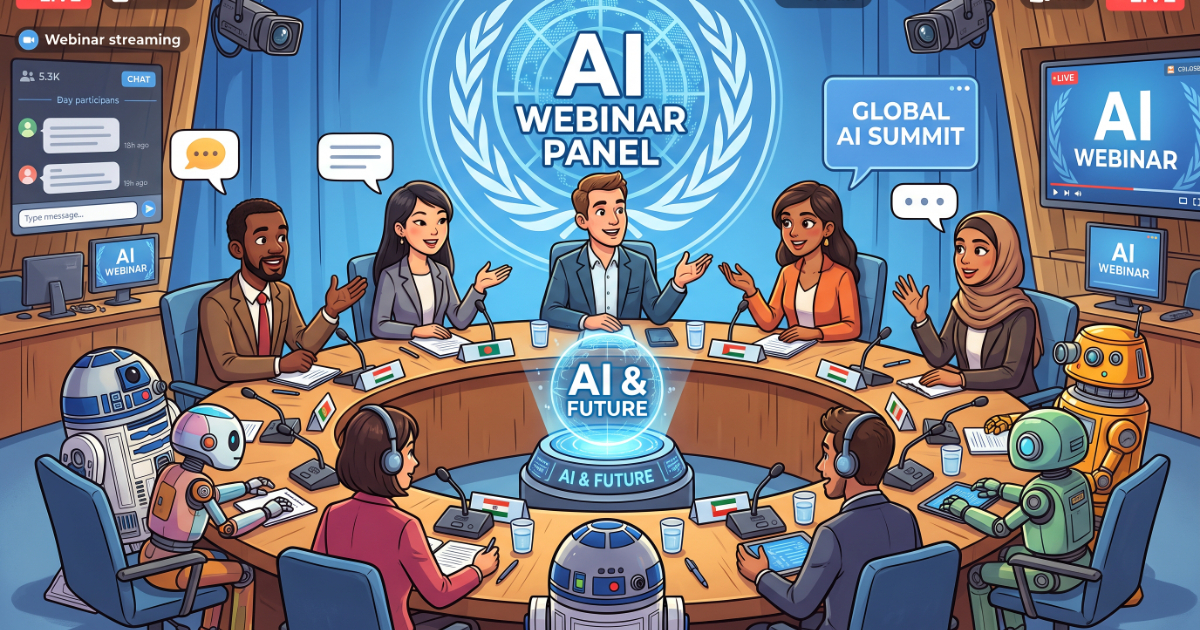
InfoQ AIGitHubAI in Production: Panellists Highlight Silent Failures, Harness Engineering, and Agent Governance A recent InfoQ webinar examined operational challenges in deploying agentic systems. Key points included issues like semantic and embedding drift, which can lead to significant errors.

InfoQ AIGitHubGrafana Applies SLOs and Error Budgets to AI Agent Behaviour Grafana Labs is proposing a familiar reliability engineering approach for one of the less familiar problems in modern software: how to measure whether an AI agent is actually behaving well.
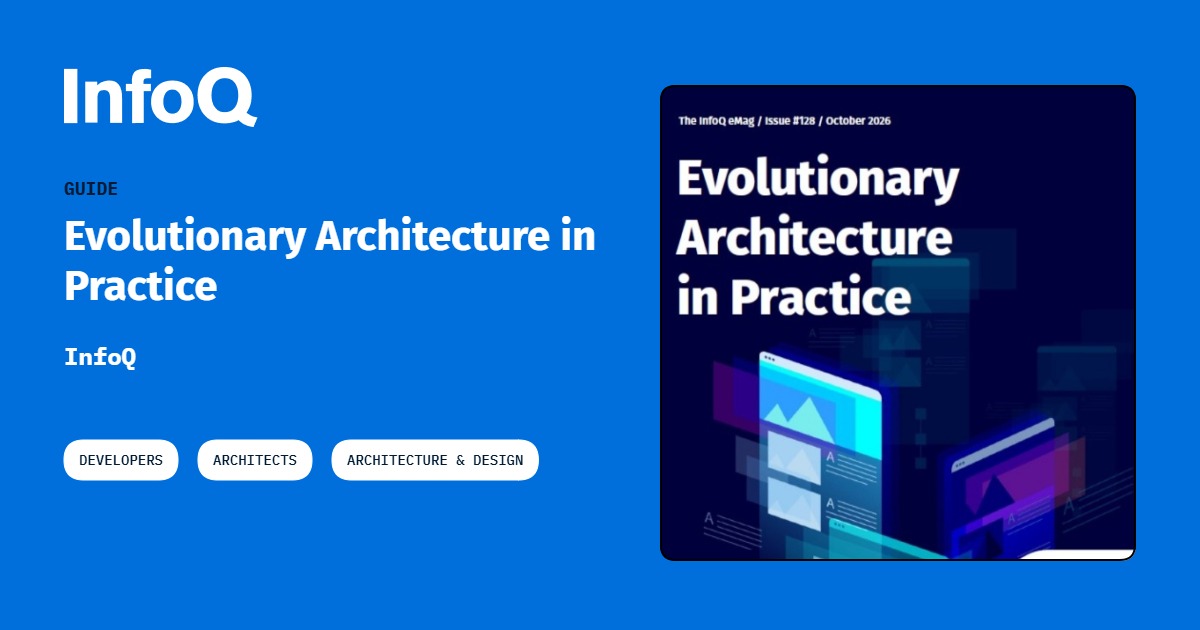
InfoQ AIGitHubMini book: Evolutionary Architecture in Practice Discover how to keep software evolvable as systems, technology, and teams shift. This edition explores agentic fitness functions for semantic drift, treating human comprehension as a core design…

InfoQ AIGitHubPresentation: Exploding GPUs and the AI Infrastructure Challenge Andrew Martin discusses why AI security is fundamentally tied to Kubernetes security. He shares insights into the evolving AI threat landscape, covering non-deterministic agent behavior, GPU supply…
InfoQ AIGitHubAWS Introduces Strands Decider 2B and Strands Box for AI Agent Development AWS has introduced two open-source projects for AI agent development: Strands Decider 2B, a small model designed to make decisions within agent workflows, and Strands Box, a sandbox for controlling…

InfoQ AIGitHubMicrosoft Commits Maia to Multi-Gigawatt Inference, and its Efficiency Metric Draws Questions Microsoft will scale its Maia accelerator family to multi-gigawatt deployments from 2027, making it the primary inference system for its own products.
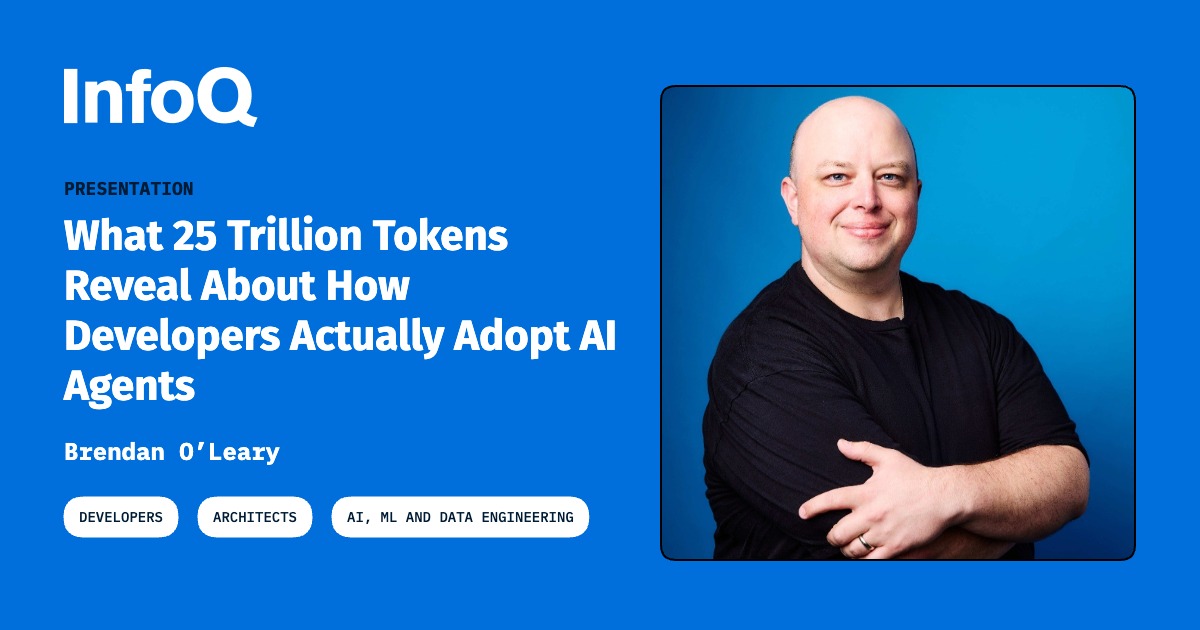
InfoQ AIGitHubPresentation: What 25 Trillion Tokens Reveal about How Developers Actually Adopt AI Agents Brendan O'Leary discusses how real-world AI adoption depends on building trust rather than chasing model benchmarks.
Nothing matches this filter yet.